
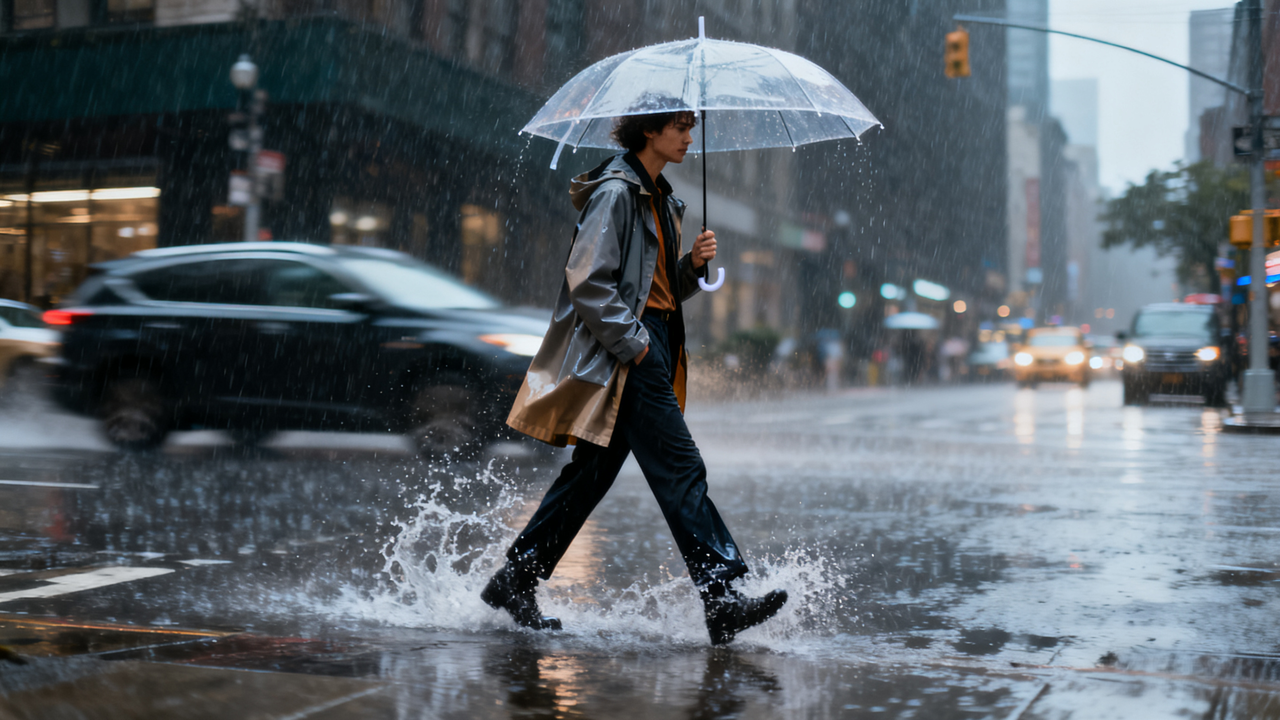
 As dark clouds gather and the first raindrops patter against your window, the difference between a miserable experience and a comfortable adventure often comes down to quality rain gear. From protecting your home’s exterior to keeping your hiking trip enjoyable or ensuring your dog stays dry during walks, proper waterproof equipment transforms how we interact with wet weather. This comprehensive guide explores innovative solutions across multiple categories.
The Fundamentals of Weather Protection
Understanding Waterproof Technologies
Modern rain gear relies on advanced fabric science. Materials like Gore-Tex use microscopic pores smaller than water droplets but large enough to allow vapor escape. Hydrostatic head ratings measure waterproofness - fabrics rated above 1,500mm withstand heavy downpours. Breathability metrics indicate moisture transfer rates, crucial for avoiding condensation inside garments during activity.
Lamination processes create bonded layers that permanently lock in waterproofing unlike coated fabrics that degrade. Seam-sealing techniques prevent water ingress through stitching holes, with fully taped seams representing the gold standard. Innovative treatments like DWR (Durable Water Repellency) cause water to bead and roll off surfaces rather than saturate fabric.
Historical Evolution of Weather Protection
The earliest rain gear consisted of animal hides and oil-treated canvas. Ancient Nordic fishermen used seal intestine parkas while Chinese laborers wore straw rain capes. The 19th century brought rubberized Mackintosh coats - revolutionary yet heavy and unbreathable. World War II accelerated synthetics development, leading to lightweight nylon and vinyl options.
Modern breakthroughs include biomimetic fabrics mimicking lotus leaf nanostructures and smart textiles with temperature-responsive membranes. The latest eco-conscious rain gear incorporates recycled plastics and plant-based waterproofing without PFAS chemicals. These advancements make contemporary solutions both highly effective and environmentally responsible.
Home Garden Rain Solutions
Protecting Outdoor Living Spaces
Waterproofing patio furniture extends its lifespan significantly. Solution-dyed acrylic cushions resist fading and mildew while marine-grade polyester covers shield barbecue grills. For permanent structures, install retractable awning systems with waterproof acrylic fabric canopies that withstand 30+ mph winds. Under-deck drainage systems capture runoff to create dry storage areas beneath elevated patios.
Landscape waterproofing prevents soil erosion and basement flooding. French drains lined with geotextile fabric redirect water flow, while dry creek beds combine functionality with aesthetics. Strategic placement of rain barrels at downspouts captures approximately 650 gallons annually from 1,000 sq ft roofs. Connect multiple barrels using overflow kits to maximize rainwater harvesting.
Indoor Moisture Defense Strategies
High-performance rain gear for homeowners includes gutter maintenance systems. Gutter guards with fine mesh screens prevent clogs while oversized 6” K-style gutters handle heavy downpours. Install weatherproof seals around doors and windows using silicone or polyurethane caulk. For vulnerable basement areas, apply waterproofing paints containing crystalline additives that react with moisture to form impenetrable barriers.
Dehumidification systems maintain healthy indoor humidity levels between 40-60%. Energy Recovery Ventilators (ERVs) exchange stale indoor air with fresh outdoor air while transferring humidity levels between streams. Place moisture-absorbing products strategically - silica gel canisters in closets, calcium chloride pellets in crawl spaces, and activated charcoal bags near windows.
Travel Transportation Essentials
Urban Commuting Solutions
Commuting rain gear needs both high protection and packability. Ultra-compact umbrellas like the Windproof Travel Umbrella withstand 55+ mph gusts while collapsing to 12 inches. Waterproof backpack covers with reflective details maintain visibility during downpours. For cycling commuters, integrated rain suits with articulated knees provide complete coverage without restricting movement.
Public transit users benefit from trench coats with storm flaps over zippers and adjustable storm cuffs. Look for gender-specific tailoring - women’s versions with princess seams accommodate curves while men’s feature shoulder gussets. Waterproof footwear options include roll-up rubber overshoes that fit neatly in briefcases and antimicrobial insoles that prevent odor during all-day wear.
Wilderness Adventure Protection
Backcountry rain gear requires specialized features. Three-layer mountaineering jackets incorporate helmet-compatible hoods with wired brims, underarm ventilation zips exceeding 22 inches, and drop-tail designs for seated protection. Waterproof gaiters with instep hooks and abrasion-resistant panels protect hiking boots while preventing debris entry.
For kayaking and canoeing, immersion-rated drysuits with latex seals and waterproof zippers provide absolute protection. Integrated relief zippers offer convenience during extended trips. Critical accessories include waterproof map cases with lanyards, submersible GPS devices, and dry bags with roll-top closures that maintain buoyancy even when fully packed.
Pet Weather Protection Innovations
Canine Rain Solutions
Specialized dog rain gear includes full-body coats with strategic ventilation panels to prevent overheating. For active breeds, look for stretch zones at shoulders and hips. Waterproof booties with rugged soles protect paws from hot pavement and chemical de-icers. Reflective piping enhances visibility during evening walks.
For rainy playtimes, install pop-up canopy shelters in yards so dogs can remain outdoors without getting soaked. Indoor drying stations with microfiber towels and pet-specific blow dryers prevent skin irritation. Waterproof dog bed covers with zippered protection maintain sleeping areas during thunderstorms. Elevated cots prevent contact with damp surfaces.
Small Animal Considerations
Outdoor rabbit hutches require angled roofs with 4-inch overhangs and waterproof roofing felt beneath shingles. Install hinged perspex panels on enclosure fronts to block wind-driven rain while maintaining visibility. For chicken coops, implement covered runs with transparent roofing panels that provide both protection and natural light.
Mobile pets benefit from waterproof carrier covers with breathable mesh panels and reinforced stress points. For aquatic turtle habitats, install overflow drains that maintain appropriate water levels during heavy rainfall. Small animal bedding should incorporate moisture-wicking layers beneath surface bedding, with hemp mats providing superior dampness control compared to wood shavings.
Smart Purchasing Strategies
Budget-Friendly Solutions
Affordable rain gear options include PVC-coated polyester jackets with fully sealed seams starting under $50. Warehouse clubs offer bundled sets - jacket and pants combos for under $70. End-of-season clearance sales (September in northern hemisphere; March in southern) typically discount items by 60-70%.
DIY solutions reduce costs significantly. Rejuvenate old rain jackets by applying aftermarket DWR treatments using heat activation. Create custom dog coats using waterproof tablecloth material and Velcro closures. Waterproof canvas tents using paraffin wax solutions - grate 1 pound beeswax mixed with 1 cup mineral spirits, apply evenly, then heat-set with hair dryer.
Investment-Worthy Premium Gear
High-performance rain gear justifies premium pricing with extended warranties and repair programs. Top-tier brands like Arc’teryx offer lifetime guarantees with complimentary seam resealing services. Gore-Tex Pro jackets feature multiple reinforcement zones at shoulders and elbows. Premium features include RECCO avalanche rescue reflectors and RECCO rescue system compatibility.
For home installations, standing seam metal roofs provide 50+ year protection with interlocking raised seams eliminating penetration points. Invest in smart gutter systems with built-in leaf guards and Wi-Fi enabled heaters that automatically activate during freezing rain. Commercial-grade patio covers with powder-coated aluminum frames withstand decades of exposure.
Maintenance and Longevity
Cleaning and Rejuvenation Techniques
Proper rain gear maintenance begins with regular cleaning using tech-specific detergents like Nikwax Tech Wash. Avoid fabric softeners and bleach which damage waterproof membranes. Front-loading washing machines provide gentler treatment than top-loading agitators. Reapply DWR treatments annually using spray-on solutions heat-set with iron on low setting (no steam).
Restore waterproof zippers by rubbing candle wax along teeth. Treat leather boots annually with Sno-Seal conditioner heated into the material. Store gear fully dry in breathable cotton bags - avoid plastic containers that trap moisture. Hang wetsuits on wide-shoulder hangers to prevent creasing that compromises neoprene integrity.
Repair and Replacement Guidelines
Evaluate rain gear condition annually. Delamination appears as bubbling fabric layers while hydrolysis causes sticky polyurethane coatings. Minor seam failures can be repaired with seam grip adhesives. For extensive damage, utilize manufacturer repair programs - Patagonia’s Worn Wear services include professional patching and component replacement.
Replace key items when performance diminishes permanently. After approximately 20 DWR reapplications, fabrics lose efficacy. Gore-Tex laminates typically maintain optimal performance for 500-800 wearing hours. Waterproof footwear requires replacement when flex cracks appear in soles or when water no longer beads on uppers despite conditioning.
Weather-Ready Future Innovations
Emerging Material Technologies
Self-repairing rain gear incorporates microcapsules that release sealants when fabric tears. Phase-change materials automatically regulate insulation levels during temperature fluctuations. Photocatalytic coatings break down organic dirt using sunlight while maintaining waterproofness. Graphene-infused fabrics offer unparalleled conductivity for integrated heating systems.
Biodegradable waterproofing represents the sustainability frontier. Mushroom root mycelium creates leather-like materials while algae-based polyurethane avoids petroleum derivatives. Brands are developing compostable rain gear with plant-based dyes and natural rubber components that decompose within 5 years versus synthetic alternatives requiring centuries.
Integrated Smart Systems
The future of rain gear includes embedded technology. Solar-powered jackets feature flexible photovoltaic panels on shoulders that charge USB devices. Haptic feedback systems alert wearers to changing conditions through vibration patterns. Humidity sensors automatically activate ventilation systems when internal moisture levels rise.
Smart home integration coordinates rain gear with environmental systems. Weather stations communicate with laundry appliances to initiate waterproofing refresh cycles during dry spells. Garage-based drying lockers automatically dehumidify stored gear. Pet trackers send alerts when animals approach preset rainfall exposure limits, triggering automated shelter doors.
Having appropriate rain gear transforms precipitation from an inconvenience to an opportunity. Whether protecting your home’s foundation, enjoying stormy hikes with dry comfort, or ensuring your pets remain content during wet walks, proper preparation makes all difference. Invest in quality solutions matched to your specific needs and maintain them meticulously - your future self will thank you during unexpected downpours.